



8 consigli per risparmiare acqua in giardino
di lettura
Every summer, the story is the same: drought sets in, water restrictions are imposed, and our gardens suffer.
Water has become "blue gold" that must no longer be wasted. But reducing consumption doesn't mean letting your plants die!
There are ancient techniques and modern tools to halve your consumption. Here are 8 golden rules for water-wise gardening.
1. Don't let the rainwater escape
Rain is the first source of free, healthy water (with no chlorine). Yet thousands of litres flow from your gutters into the drains.
What to do now: Install a rainwater collector. Whether you choose a simple diverter to fill a watering can or a stylish 300L tank, it is the best-value investment for your garden.


2. Recycling cooking water
Stop pouring unsalted pasta or vegetable cooking water down the sink!
Once it has cooled, this water contains nutrients and minerals released during cooking. It is a free, natural liquid fertiliser. Likewise, water used to wash lettuce is perfect for watering pots on the balcony.
3. Precision Watering (Drip Irrigation)
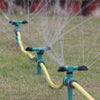
Watering with a jet of water is an ecological disaster: a large part of the water evaporates before even reaching the roots or runs off elsewhere.
The solution: Drip irrigation. This system delivers water slowly, directly to the base of the plant. The soil has time to absorb every drop. It's 100% useful, 0% waste.

4. Mulching: Soil cover
"Hoe once, save watering twice", but "Mulch once, save watering ten times"!
Direct sunlight on bare soil acts like a hairdryer: it evaporates moisture in a few hours. By covering the soil with a 5 to 10 cm layer of organic matter (straw, hemp, wood chips, dead leaves), you create a protective screen.
The result: The soil stays cool and moist for twice as long.


5. Water in the cooler hours
Watering in direct sunlight is useless: 50% of the water evaporates instantly.
- In the morning (ideal): The soil is cool, and watering gives the plant reserves for the hot day ahead.
- In the evening (the alternative): This also works well, but moisture left on the leaves overnight can encourage diseases such as downy mildew.
6. Beware of Terracotta!
We often forget: terracotta is a porous material. It "drinks" your plant's water and lets it evaporate through the pot walls.
During dry periods, choose glazed pots, or pots made of metal (zinc) or plastic. These are watertight and retain water for the plant. If you like terracotta, use it as a decorative outer pot.


7. Check before watering
Do not judge by the surface alone. The soil can be dry on top and moist underneath. Push your finger into the soil or use a soil moisture meter. If the soil is moist, do not water!
8. Less but Better
It is better to water thoroughly once a week than to give plants "a little bit" every day.
Why? Thorough watering forces roots to grow deeper in search of water, where the soil stays cool. Shallow watering keeps roots near the surface, where they will scorch in the first heatwave.
Save water now
By combining mulching, well-timed watering and precision irrigation, you can halve your water bill while keeping your garden greener.
View Drip Irrigation Systems