



Annaffiare le piante con acqua demineralizzata?
di lettura
Do you have a jug of water for your iron and wonder if your plants would like it too? Or perhaps you're looking for a way to remove that white deposit that stains the leaves of your Ficus?
Tap water is often too hard (calcareous) for some delicate plants. Demineralized water seems to be the miracle solution. It is pure, chlorine-free, and lime-free.
But beware: used on its own all the time, it can cause deficiencies. Let's discover together when to use it and for which plants.
1. Demineralized Water: The Queen of Misting
If there's one use where demineralized water is mandatory, it's the plant mister. Why?
- For the plant: Tap water leaves white marks (limescale) on leaves when drying. These marks clog the plant's pores and are unsightly. Demineralized water leaves the foliage impeccable.
- For the tool: Limescale is the enemy of your mister. It always ends up clogging the fine nozzle. Using demineralized water guarantees the longevity of your equipment.
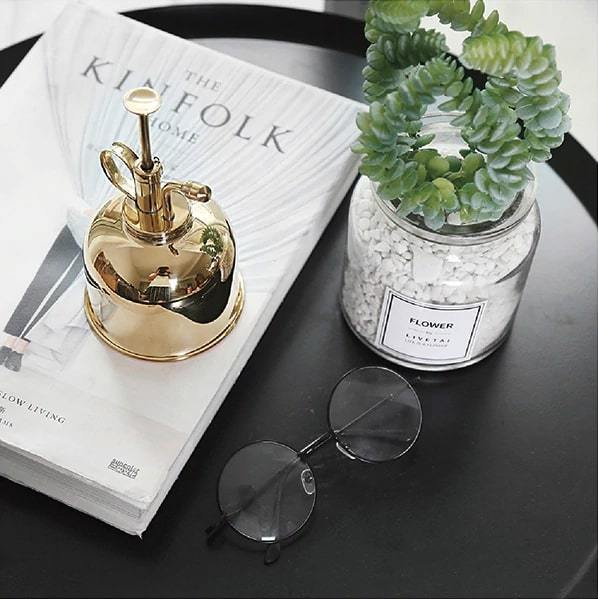
Protect your investment
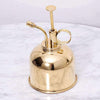
A beautiful mister deserves good water. By using demineralized water in our brass model, you maintain a perfect mist year after year.
- ✨ No marks: Your plants stay shiny and clean.
- ⚙️ Protected mechanism: No more nozzles clogged by limescale.
2. Which plants need pure water?
Watering at the roots with demineralized water is not necessary for all plants (it's expensive and useless for a geranium!). However, some species hate minerals and limescale. For them, it's a matter of survival:
🥩 Carnivorous Plants (Venus Flytraps, Sundews)
That's rule #1. In nature, they grow in very poor soils. Water a carnivorous plant with tap water (rich in minerals), and you will burn its roots in a few weeks. For them: Demineralized water or rainwater is mandatory.
🌸 Acid-loving Plants (Azaleas, Orchids, Ferns)
These plants love acidic soils. Tap water (often calcareous/basic) will unbalance their soil and cause their leaves to yellow (chlorosis). Occasional watering with demineralized water helps to rinse the soil.
3. Beware of deficiencies!
If demineralized water is "clean," it is also "empty." It contains no calcium, magnesium, or iron.
If you water a common houseplant (Ficus, Pothos, Monstera) only with demineralized water, it will eventually suffer from deficiencies and its growth will stop.
The Solution? Mix! Use a 50/50 blend (half tap, half demineralized) or add liquid fertilizer regularly to compensate.
4. How to improve tap water for free?
If you don't have carnivorous plants, tap water is often sufficient. Its only drawback is the chlorine (added to make it drinkable), which kills the good microorganisms in the soil.
Watering Can Design's tip: Chlorine is a volatile gas. Fill your watering can and let it sit for 24 hours in the open air before watering. The chlorine will evaporate on its own!
Patience has style
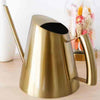
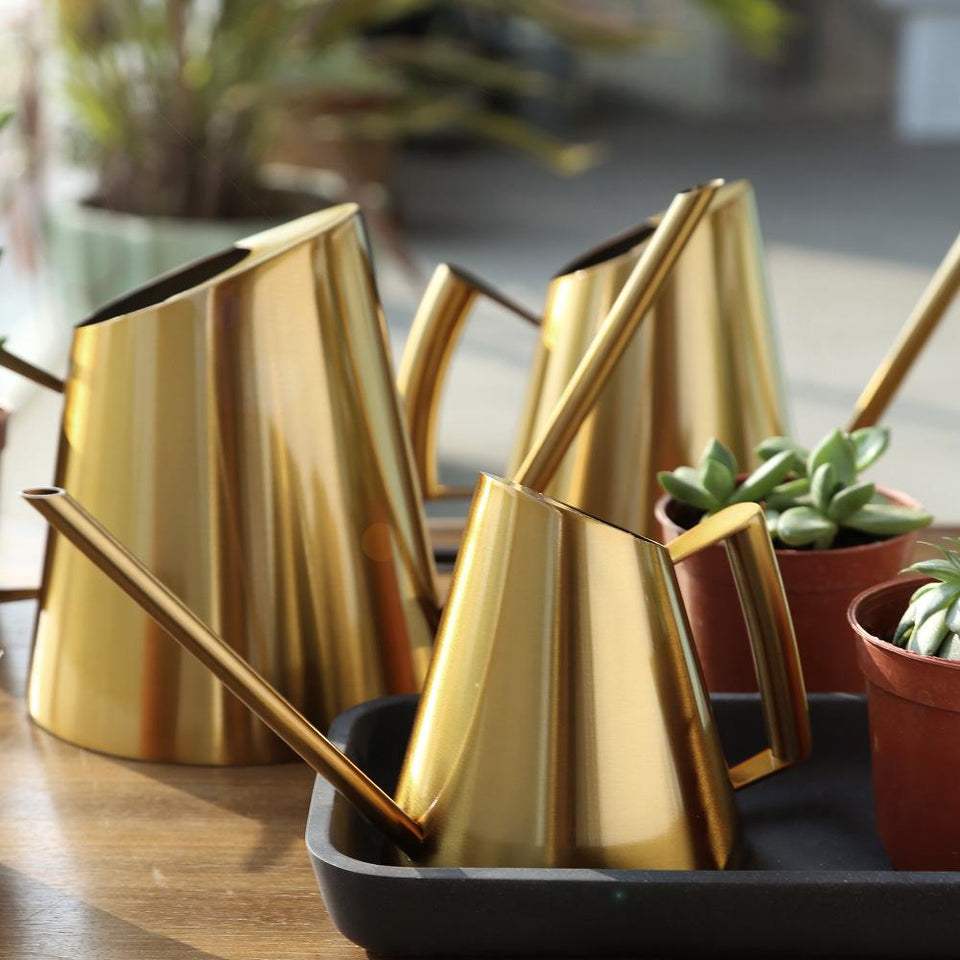
Letting tap water sit is good. Doing it in a designer piece is better. Stop leaving plastic bottles lying around: use our golden watering can as a carafe for your plants.
- ✨ Rust-resistant: Water can stay in it for days without risk of rust.
- 🏆 Best-Seller: Its golden finish captures light and enhances your interior.
In Summary
Demineralized water = Essential for your mister and your carnivorous plants.
Tap water (left to stand) = Perfect for watering all other plants.
Equip yourself with the right tools to manage these two types of water with elegance.
View the Design Watering Cans collection