



Water your plants with cooking water
of reading
Every day, liters of nutrient-rich water end up in our kitchen sinks. It's an invisible but real waste.
Whether you're cooking pasta, rice, or vegetables, this cooking water is not waste: it's a natural liquid fertilizer and free. It is full of minerals released by food during cooking.
But beware, there's a golden rule to follow: salt. Let's transform your kitchen scraps into a growth elixir together.
1. Which water for which benefit?
Not all waters are equal. Depending on what you've cooked, you won't provide the same nutrients to your soil:
🥦 Vegetable Water (The Vitamin Cocktail)
It's the best. When boiled, vegetables release vitamins and mineral salts (iron, magnesium) into the water.
Tip: Prioritize organic vegetables to avoid concentrating pesticides in your watering can.
🥚 Egg Water (Calcium)
Never throw away the water from your hard-boiled eggs! The shell releasesCalciumduring boiling. It is a vital element to strengthen plant cell walls and prevent certain deficiencies.
🍝 Starchy Water (The Booster)
Pasta, rice, or potato water is cloudy. It'sstarch. This starch is excellent for stimulating bacterial life in the soil (the good bacteria that nourish the plant).
Warning: Starchy water ferments quickly. Use it within 24 hours.
2. The 3 absolute safety rules
Before pouring your pot into your green plant, read this carefully:
🚫 Rule No. 1: No SALT!
This is the classic mistake. Salt (sodium) is toxic to most plants. It burns the roots and sterilizes the soil.
If you have salted your cooking water, do not use it as fertilizer (see point 4).
❄️ Rule No. 2: Let cool
Boiling water instantly kills roots. Always let your water return to room temperature before watering.
🎯 Rule n°3: Aim for the soil, not the leaves
Cooking water (especially pasta water) leaves unsightly white marks when drying and can clog the pores of leaves. You must water precisely at the base.
Surgical Precision
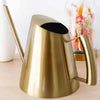
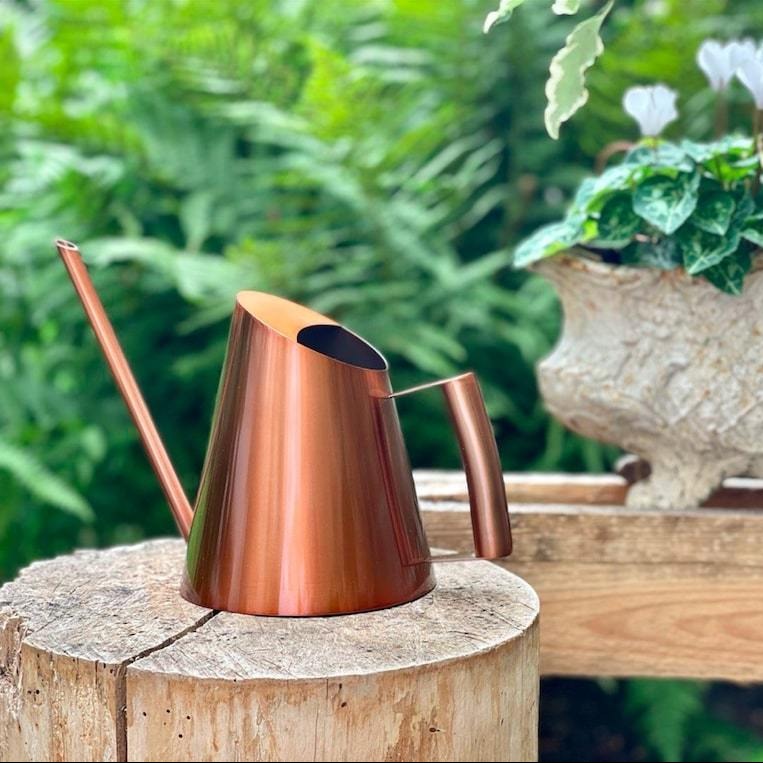
Cooking water is precious but messy for foliage. To apply this fertilizer directly to the soil without splashing, you need the right tool.
- 🎯 Fine Spout: Allows you to slip under the leaves to reach the soil.
- ✨ Stainless Copper :A robust material that is not afraid of lukewarm or hard water.
- 🏆 Best-Seller:The favorite tool of urban gardeners.
3. How to proceed in practice?
Here's the ideal routine to adopt this eco-friendly gesture:
- Cook without salt (you'll salt on the plate, it's healthier!).
- Collect the water in a salad bowl or directly in your watering can (if it's metal).
- Let cool for a few hours.
- Water your plants at the base.
While it cools down...
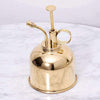
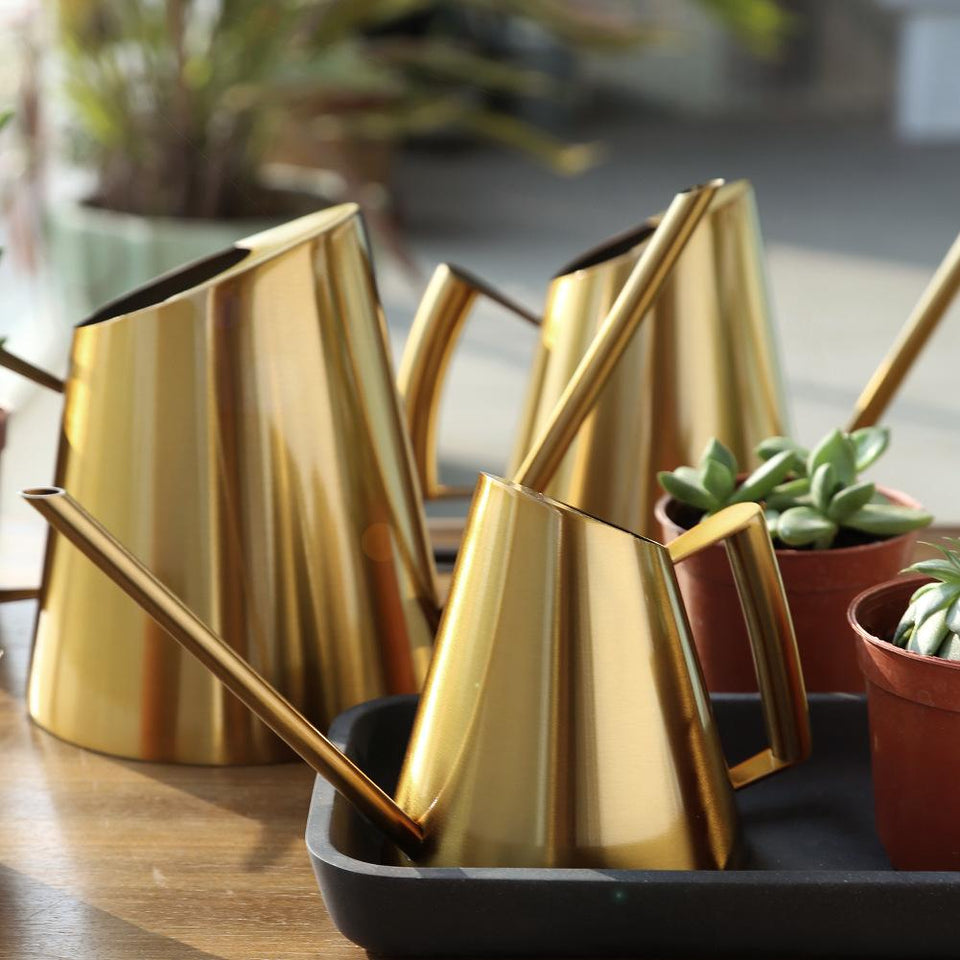
Leaving a pot of dirty water on the counter isn't very chic. Transfer your cooking water into our Golden Watering Can. It will patiently wait for the water to reach temperature, all while decorating your kitchen.
- ✨ Scandinavian Design :So beautiful you won't put it away in the cupboard.
- 💧 Ideal Capacity :Perfect for collecting water from pasta cooking.
4. What if I salted my water? (The Weed Killer Tip)
All is not lost! Boiling salted water is a total weed killer and powerful.
NEVER pour it on your plants. Instead, pour it (still boiling) on weeds growing between your patio slabs or in your gravel driveway. The thermal shock + salt will get rid of the most stubborn weeds, without using chemical products like glyphosate.
Cook, Water, Thrive
Sustainable gardening starts in the kitchen. By adopting this simple habit, you save water and nourish your plants for free.
To accompany this new virtuous routine, choose durable tools that will make you want to garden.
View the Design Watering Cans collection
Kakouridis Thierry
L’eau de cuisson des lentilles peut-elle servir pour arroser des massifs en extérieur ?
Gamba sandra
Bonjour peut on utiliser l’eau de la stérilisation des bocaux pour arroser les plantes.
merci à vous
Mireille
Puis je arroser avec l’eau de cuisson des knacks sui est grasse !
Luce James
Pendant combien de temps peut on conserver l’eau des légumes dans l’arrosoir?
Est il préférable de diluer l’eau des légumes avec une eau claire? Ex: 1 partie eau légumes avec ? Parties eau claire.
En vous remerciant
Silva monique
Peut on conserver l’eau des aliments pour arroser plus tard