





Watering Plants with Milk
of reading
Are you about to throw away that expired milk bottle or that last bit of a drink that no one wants to finish? Stop!
Don't pour this "white gold" down the drain. Milk is a powerful natural fertilizer and a miracle cure for certain diseases.
How to transform waste into a growth elixir for your plants? Here is the recipe and instructions.
1. Why give milk to plants?
It's not a myth, it's chemistry. Milk contains two vital elements for the garden:
- The Calcium:Just as it strengthens our bones, it strengthens the cellular structure of plants. It is vital to prevent "blossom end rot" in tomatoes or zucchini rot.
- The Antifungal Effect:Milk proteins and their enzymes effectively combat thePowdery mildew(this white felt-like growth that attacks rose or squash leaves).

2. The Recipe: The 50/50 Rule
Warning, never pour pure milk on a plant! This would clog the soil's pores, create bad odors, and attract flies.
The perfect dosage :
- 50% milk (preferably skimmed or semi-skimmed to avoid fats).
- 50% water.
Mix well. It's ready!
3. Water or Spray?
There are two schools of thought depending on the desired goal:
A) By Spraying (The Medicine)
This is the most effective method to combat diseases (Powdery mildew, black spots). Spray the mixtureon the leaves(top and bottom). Milk will create a protective and antiseptic film.
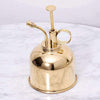
The treatment tool
To apply the milky mixture without drowning the plant, a fine and even mist is required.
- ☁️ Wide Diffusion: Covers all foliage quickly.
- ✨ Easy Cleaning:The brass mechanism rinses easily after use.

B) When Watering (The Fertilizer)
To strengthen the roots and provide calcium, pour the diluted mixture directly at the base of the plant.
Frequency :Once every 2 or 3 months maximum. Don't overdo it, or your potting soil will smell like cheese!

4. Which plants love it?
- In the vegetable garden: Tomatoes, Zucchini, Peppers (calcium-hungry).
- In the ornamental garden:Rose bushes (often attacked by fungi).
- Indoors: Begonias and Ivy.
Tip: You can also use this mixture to polish the leaves of your Ficus or Monstera with a soft cloth!
To your bottles!
You now know how to recycle your leftover milk. It's simple, free, and effective.
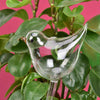
And for your daily watering (with clear water!), equip yourself with style:

Patricia Bodin
Bonjour,
Est ce possible d arroser les tomates avec du lait et de l eau lorsque la terre est déjà bien mouillée. Il faut peut-être attendre que la terre sèche.
Merci pour votre réponse bonne journée
BORNE
C’est non le lait avec de l’eau engrais pour l’olivier les bougainvilliers et les lauriers roses. Je voudrais une réponse
Alassane SARR
Merci pour cette astuce
est ce le lait de vache trait immédiatement peut être utilisé?
Si oui quels sont ses avantage?
Si non quels sont ses inconvénients?
Merci pour vos éclaircissements.
Pain
C’est bien efficace
FRESNO .Nicole
Merci pour vos précieux conseils